ElectriGate logo

ElectriGate · Access Control

Electric Bollards Supplied & Installed

Automatic rising bollards give you complete control over vehicle access — raised for security, lowered flush for a completely clear entrance. We supply and install single, double, triple and quadruple bollard systems for residential driveways and commercial premises across the UK.

Residential & commercial

Single to quadruple kits

Free no-obligation quotes
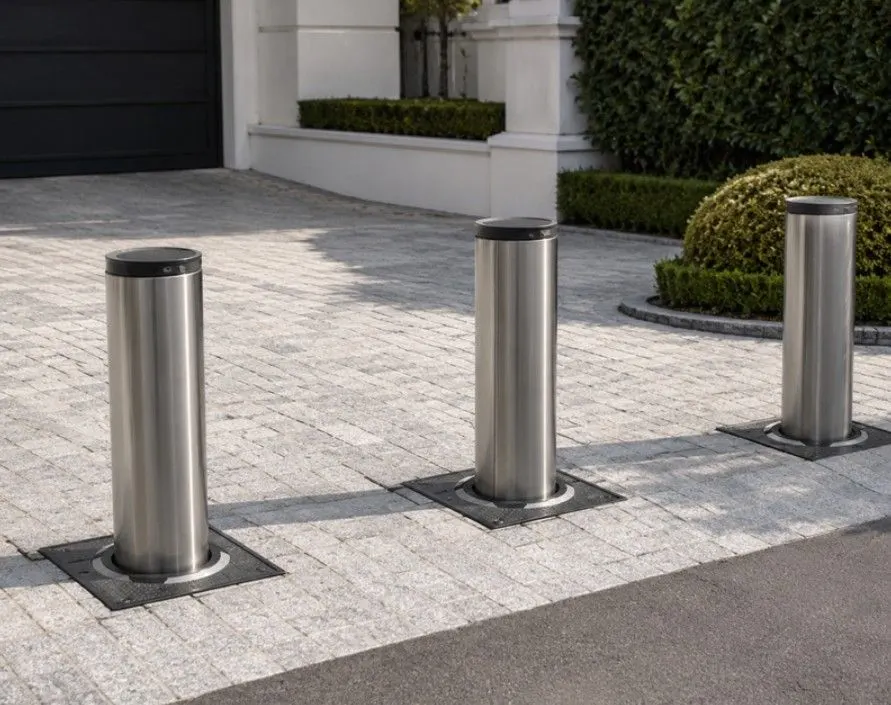
Automatic electric rising bollards installed in the raised position across a residential driveway entrance
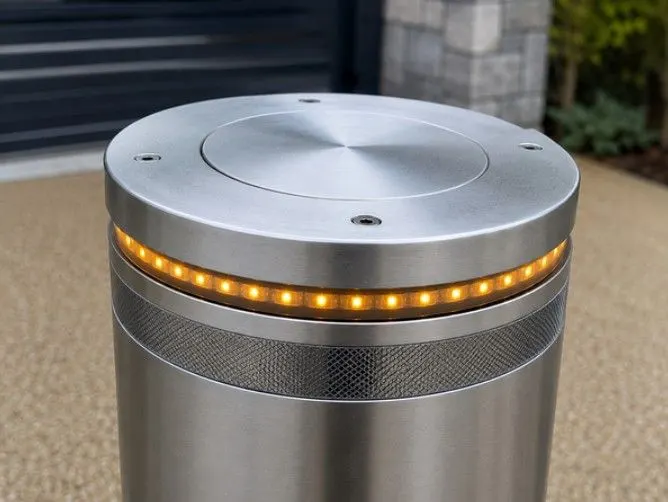
Close-up of a stainless steel automatic bollard head showing the LED warning ring and top cap

Built to last

Marine-grade stainless steel and powder-coated finishes, rated for continuous outdoor use.
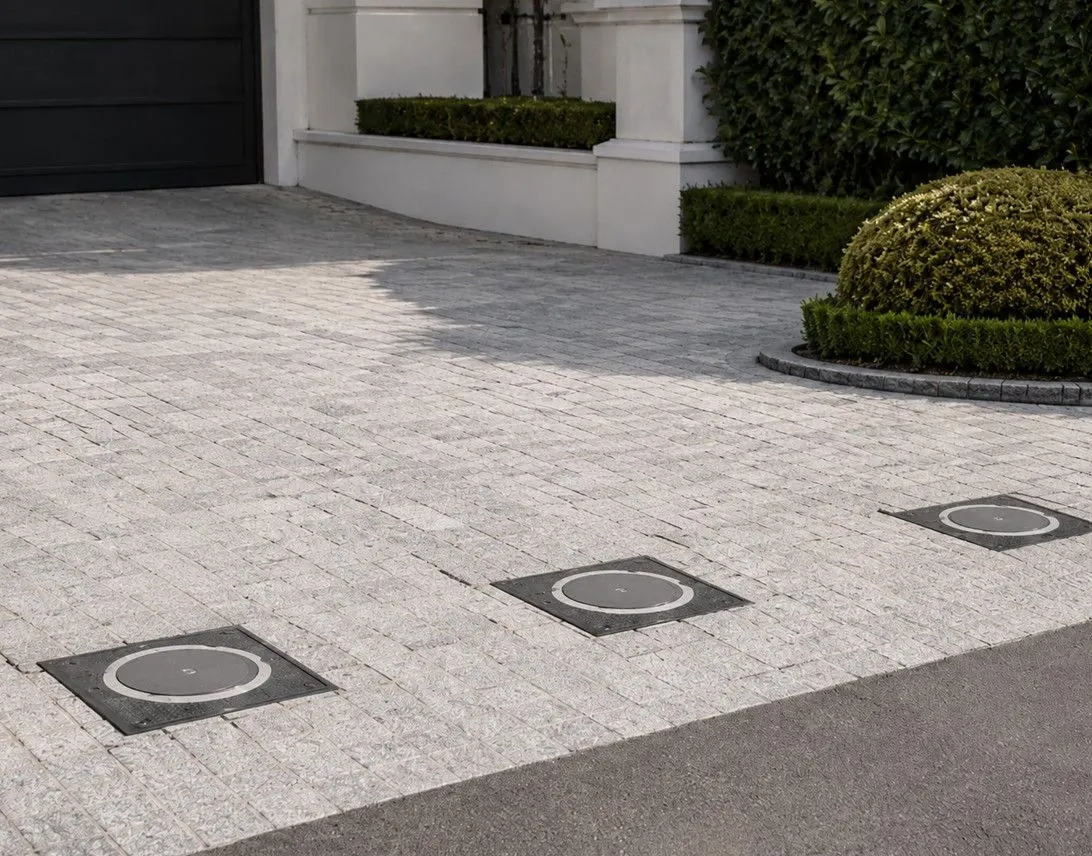
Retractable electric bollards fully lowered flush with the driveway surface leaving a clear entrance

Completely out of sight

Lowered flush with the ground, your entrance is fully clear — no gates, no posts, no obstruction.
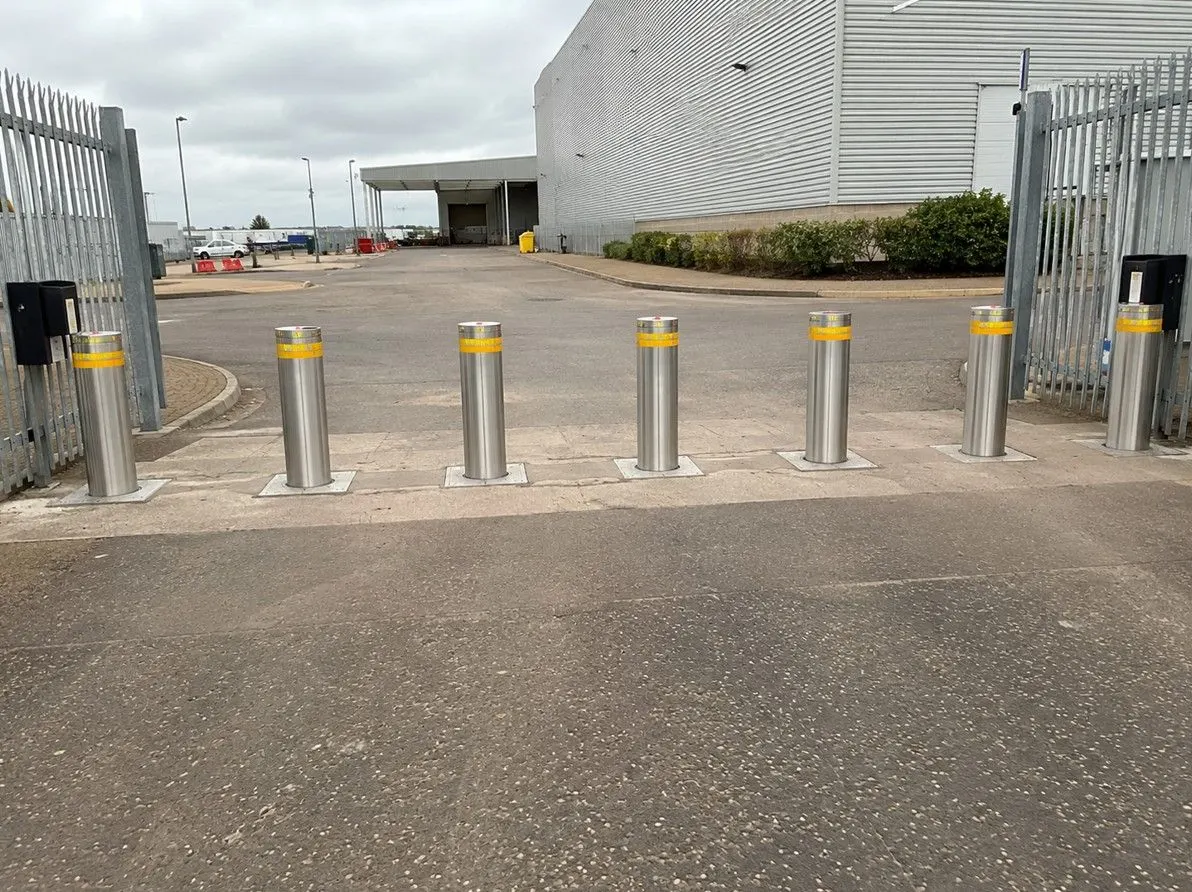
Multiple electric bollards controlling vehicle access at a commercial property entrance

Commercial ready

High-cycle systems for car parks, service yards, loading bays and restricted access routes.

How they work

What are electric bollards?

Electric bollards — also called automatic, rising or retractable bollards — are motorised posts set into the ground that raise to block vehicle access and lower flush with the surface to allow it. They are operated by remote fob, keypad, intercom, vehicle detection loop or app, exactly like an electric gate.

The main advantage over a gate is that when lowered, they leave the entrance completely unobstructed. There is nothing to swing, slide or fold, and no visual barrier at all. That makes them ideal for narrow entrances, listed or conservation-area properties where a gate would be unsuitable, and commercial sites where the entrance must stay clear during business hours.

Systems are supplied as single, double, triple or quadruple kits depending on the width of the opening you need to secure. Your installer will confirm the right configuration at survey.

Typical control options

Remote fob and handset

Keypad entry

Audio or video intercom

Vehicle detection loop

Smartphone app control

Integration with existing access control

Applications

Where electric bollards work best

Narrow entrances

Where there simply isn't room for a gate to swing or slide, bollards need no clearance at all. They rise straight up from the ground, so the width of the opening is irrelevant.

Listed & conservation properties

Where a gate would alter the appearance of a property or fall foul of planning restrictions, retractable bollards are far less visually intrusive when lowered.

Shared & private access roads

Ideal for controlling who uses a private lane or shared driveway without permanently blocking it. Authorised users get fobs; everyone else is stopped.

Commercial premises

Car parks, loading bays, service yards and staff-only routes. Bollards stay lowered during opening hours and rise to secure the site out of hours.

System configurations

What size entrance can bollards cover?

A single system runs one to four bollards and covers entrances from roughly 1 to 6 metres. For wider openings, two systems can be combined and run together.

1

Single bollard

Narrow entrances and single-vehicle access points. Also used to protect a specific route or doorway.

2

Double bollard

Standard residential driveways. Two units spaced to prevent a vehicle passing between them.

3

Triple bollard

Wider driveways and shared access roads where a longer span needs covering.

4

Quadruple bollard

Commercial entrances and the widest residential openings, up to around 6 metres in a single system.

Wider than 6 metres?

Two systems can be combined and operated together, allowing much wider entrances to be secured without compromising on control or response time.

Combine gates and bollards

For properties needing a higher level of protection, bollards can be installed alongside electric gates and run from the same access control system — giving you two independent barriers on one entrance.

Pricing guide

How much do electric bollards cost?

Cost depends on the number of bollards, the height and diameter of the posts, the control system specified and the groundwork required at your property. Installation involves excavation and drainage provision, so site conditions have a real bearing on the final figure.

The ranges opposite are a typical guide. Your local installer will provide a precise, no-obligation quote following a site survey.

Single bollard kit

from £4,800

Double bollard kit

£6,000–£7,500

Triple bollard kit

£7,500–£9,500

Quadruple bollard kit

up to £11,500

Annual servicing

from £150

Prices include supply and installation. Groundwork requirements vary by site and are confirmed at survey.

Common questions

Frequently asked questions about electric bollards

How much do electric bollards cost?

A single bollard kit starts from around £4,800 supplied and installed, with quadruple systems reaching up to £11,500. The final figure depends on the number of bollards, post height and diameter, the control system specified and the groundwork needed at your property. Your installer will confirm exact costs after a site survey.

Do electric bollards need planning permission?

In most cases no, as retractable bollards sit flush with the ground when lowered and are generally less visually intrusive than a gate. However, restrictions can apply on listed buildings, in conservation areas and where the installation affects a public highway. Our planning permission guide covers the rules in detail.

What happens if the power goes out?

All systems include a manual release that allows the bollards to be lowered by hand during a power cut. Many installations also offer a fail-safe configuration where the bollards automatically lower on power loss, so vehicles are never trapped. Your installer will discuss which setting suits your property.

Can electric bollards be installed on a sloped driveway?

Yes. Because bollards rise vertically rather than swinging or sliding, gradient is far less of a constraint than it is for gates. What matters more is the depth available for the below-ground housing and the drainage at the base of the unit, both of which are assessed at survey.

How deep does the excavation need to be?

Most residential bollards require an excavation of roughly 800mm to 1,200mm deep, depending on the post height and model. The housing also needs drainage provision to prevent water sitting in the casing. Your installer will confirm the exact requirement and check for any buried services before work begins.

Do electric bollards need servicing?

Yes. Like any powered access system, bollards should be professionally serviced at least once a year to keep the drive mechanism, drainage and safety features working correctly. Servicing starts from £150 depending on the system and location. See our service page for details.

Areas we cover

Find your local fabricator

Electric bollards are installed by Andrew, who covers Lincolnshire, Cambridgeshire and Norfolk.

By region

Lincolnshire

19 locations

Cambridgeshire

16 locations

Norfolk

20 locations

Popular locations

Lincoln

Lincolnshire

Boston

Lincolnshire

Grantham

Lincolnshire

Grimsby

Lincolnshire

Cambridge

Cambridgeshire

Peterborough

Cambridgeshire

Ely

Cambridgeshire

Huntingdon

Cambridgeshire

Don’t see your town? Every location we cover is listed on our areas we cover page, or send us your postcode and we will confirm.

Ready to get started?

Get your free electric gate quote today

Tell us your requirements and we'll match you with the best local installer - usually within 24 to 48 hours.

ElectriGate logo

ElectriGate connects homeowners and businesses with trusted local electric gate installers across England and Scotland. All enquiries are free with no-obligation.

All Rights Reserved | ElectriGate  - Supporting Independent Local Installers

© 2026

ElectriGate is a Trading name of My Business Buddies.

Company Number:16641926

Registered Address: 4 Marlborough Road, Woodthorpe, Nottingham NG5 4FG